The Student-Athlete Mental Health Crisis Nobody Wants to Talk About
Written by Rolandius Williamson on May 14, 2026
What is happening to college student-athletes’ mental health?

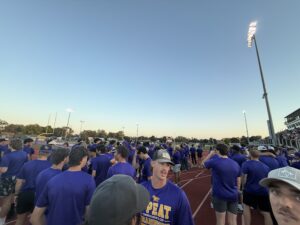
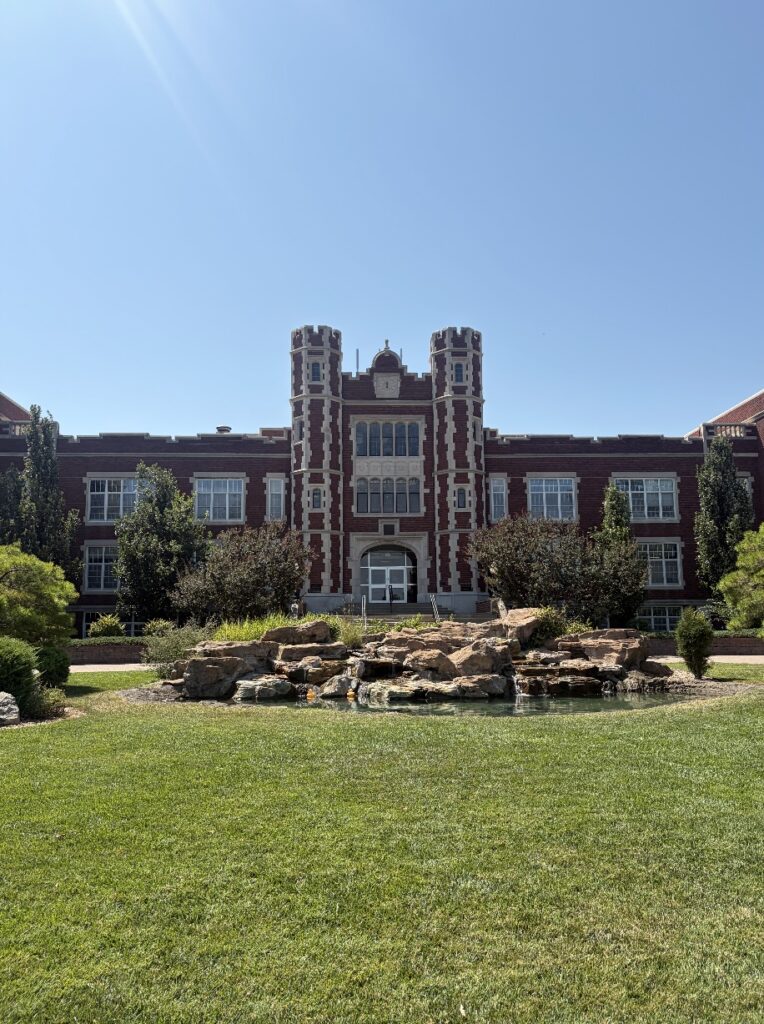
Photo by Ryah Klima / Graves Family Sports Complex
College athletes are struggling. Studies show that student-athletes experience anxiety and depression at rates similar to or higher than the general college population. The NCAA’s own research documented mental health concerns affecting roughly one-third of student-athletes. Burnout, sleep problems, and disordered eating are common, especially in sports with weight requirements. Suicide rates among student-athletes have risen over the past decade.
None of this fits the public image of the college athlete. Student-athletes are supposed to be the success stories. They have scholarships, teammates, built-in identity, structure, and purpose. From the outside, it looks like a life many students would envy. From the inside, it often looks very different.
Why is the pressure on college athletes so intense?
The time commitment is enormous. NCAA rules officially cap athletic activities at 20 hours per week, but voluntary practices, film sessions, training, travel, and competition routinely push the actual total above 40 hours. That is a full-time job stacked on top of full-time coursework.
 The performance pressure is constant. Every practice is evaluated. Every game gets recorded and reviewed. Statistics and depth charts make athletic performance more measurable than almost any other aspect of college life. A struggling athlete cannot easily hide it.
Financial stakes have changed. With NIL deals worth hundreds of thousands or millions of dollars on the line, athletes now face professional-level expectations while managing academic demands. A bad season affects income. That is a kind of pressure most college students never experience.
Why don’t college athletes seek mental health help?
Photo Courtsey: kwucoyotes.com
Stigma is the biggest barrier. Many sports build identity around toughness and mental strength. Admitting psychological struggle can feel like admitting weakness. Athletes worry about losing playing time, losing teammates’ respect, or losing coaches’ trust.
Access is another problem. Most college counseling centers are overwhelmed. Waitlists run for weeks. Athletes with packed schedules often cannot make standard appointment windows. Even when athletic departments employ mental health staff, those staff are often connected to coaches, which makes athletes reluctant to be fully honest.
Why has college athlete mental health crisis gotten worse recently?
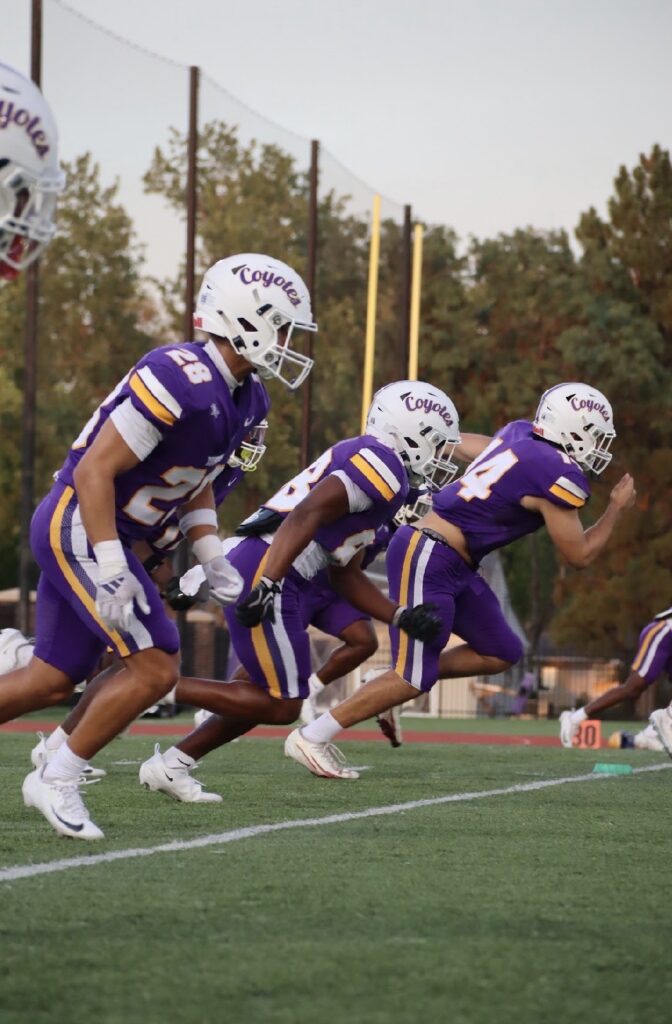
Coyote student athletes
Social media exposes athletes to constant public criticism. A bad game generates thousands of negative comments from strangers within minutes. The transfer portal and NIL economy added financial and career pressures that did not exist before 2021. The pandemic disrupted normal team support systems and left lasting effects on the current cohort of college athletes.
There is also a generational shift. Athletes today are more willing to talk about mental health. This is good. But greater willingness to talk has not been matched by greater capacity to help. The conversation is louder. The resources have not kept up.
What systemic changes would help college athlete mental health?
public domain CC0 photo.
Three things, urgently: 1. Independent mental health staff. Athletic departments should employ counselors who report independently of coaches and athletic administration, not through them. Confidentiality matters. 2. Real time limits. The 20-hour rule should be enforced honestly with consequences for programs that violate it. 3. Track mental health outcomes. Schools should track athlete mental health the way they track athletic performance. Programs that produce healthier athletes should be celebrated.
Caring about student-athlete mental health is about whether the university takes student well-being seriously enough to act on it when stakes are real. Right now, most schools are failing that test.
Learn more about the mental health struggles of all college students, Mental Health In College Students, by Ashley Bissell.
NCAA Mental Health Best Practices Guide
Author

Reader's opinions
Continue reading